
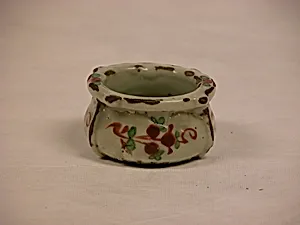
Pot
Unknown Artist
ca. 1650
Medium
Pottery
Dimensions
Diam. 2 3/4 in. (7 cm)
Classification
Ceramics
Culture
China
Department
Asian Art
Museum
Metropolitan Museum of Art, New York, NY
Credit
Fletcher Fund, 1925
Accession Number
25.215.27
Rights
Public Domain
Art Historical Context
This delicate pottery pot, crafted in China around 1650 during the early Qing dynasty, exemplifies the refined ceramic traditions of imperial China. Measuring just 2¾ inches in diameter, its petite scale suggests it may have served intimate purposes, such as holding cosmetics, spices, or teas—common in elite households of the era. Acquired through the Fletcher Fund in 5, it now graces the Metropolitan Museum of Art Asian Art department, offering a tangible link to a transformative period when the Qing Manchu rulers revitalized Ming-era artistic legacies. Chinese pottery from this time built on centuries of innovation, with potters mastering kilns that produced durable, elegant forms. Though the artist remains unknown, the vessel's survival highlights the technical prowess of Jingdezhen or regional workshops, where clay was meticulously shaped, fired, and often glazed for both utility and beauty. Ceramics were not mere vessels but symbols of cultural sophistication, exported worldwide via the Silk Road and maritime trade. Today, this unassuming pot invites us to ponder everyday artistry in 17th-century China, reminding visitors of how small objects carried profound cultural weight in a vast empire.