
Pottery Rattle
Unknown Artist
1200–1521
Medium
Clay
Dimensions
1 3/4 × 1 3/4 × 1 3/4 in., 1.376oz. (4.4 × 4.4 × 4.4 cm, 39g)
Classification
Idiophone-Shaken-rattle
Culture & Period
Aztec · Late Postclassic (Pre-Columbian)
Department
Musical Instruments
Museum
Metropolitan Museum of Art, New York, NY
Credit
The Crosby Brown Collection of Musical Instruments, 1889
Accession Number
89.4.3460
Rights
Public Domain
Art Historical Context
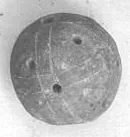
This petite **Pottery Rattle**, from clay by an unknown Aztec during the Late Postclassic period (1200–1521), measures a mere 1¾ × 1¾ × 1¾ inches and weighs just 39 grams Now part of the Metropolitan Museum of’s Crosby Brown Collection of Musical (acquired in 1889), it belongs to the idiophone-shaken-rattle classification, designed to create rhythmic sounds when vigorously shaken—likely from small objects like seeds or pellets inside its hollow form. In the vibrant world of Pre-Columbian Aztec culture, such rattles were more than playthings; they pulsed with spiritual and communal significance. Used in rituals, dances, and ceremonies honoring gods like Tlaloc or Huitzilopochtli, these instruments helped invoke divine presence and synchronize group performances. The Aztecs' mastery of clayworking—hand-coiling, molding, and firing at high temperatures—allowed for durable, resonant objects that blended utility with artistry. Though diminutive, this rattle offers a tangible window into the sonic landscape of Tenochtitlan, the Aztec empire's bustling heart, just before the Spanish conquest in 1521. Its survival speaks to the ingenuity of Mesoamerican artisans, whose everyday creations echoed the cosmos.