
Pottery Whistle
Unknown Artist
ca. 800–1500 (?)
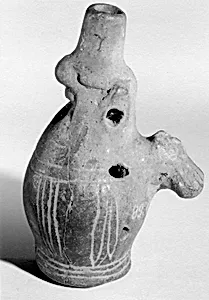
Medium
Clay
Dimensions
H. 60 mm.; D. 40 mm.; W. 30 mm.; Wt. 28 g.
Classification
Aerophone-Whistle Flute-whistle
Culture & Period
possibly Costa Rican · Pre-Columbian
Department
Musical Instruments
Museum
Metropolitan Museum of Art, New York, NY
Credit
The Crosby Brown Collection of Musical Instruments, 1889
Accession Number
89.4.2382
Rights
Public Domain
Art Historical Context
Nestled in the Metropolitan Museum of Art's Crosby Brown Collection of Musical Instruments this petite Pottery Whistle exemplifies Pre-Columbian craftsmanship from Costa Rica, dating to around 800–1500 CE. Crafted from clay, it measures just 60 high, 40 mm diameter, and 30 wide, weighing a mere28 grams—small enough to fit comfortably in the palm of your hand. As an aerophone classified as a whistle flute, it produces sound when air is blown across or into an opening, blending pottery artistry with acoustic ingenuity. In Pre-Columbian cultures of Central America, such whistles were versatile objects, likely used in rituals, ceremonies, games, or daily life to mimic bird calls or signal across distances. The unknown artist's skillful molding of clay into a functional yet sculptural form highlights the era's advanced ceramic techniques, where everyday materials transformed into multifaceted tools. Though exact origins remain uncertain, its survival speaks to the enduring ingenuity of indigenous peoples before European contact. This tiny treasure invites us to ponder the sounds of ancient worlds—imagine the playful toots or mystical tones echoing through tropical landscapes centuries ago. A testament to cultural creativity, it reminds visitors of music's timeless role in human expression.