
Priest's Robe
Unknown Artist
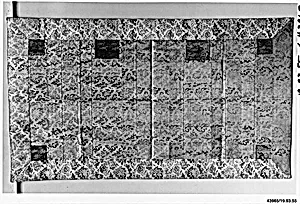
Medium
Silk / Brocade:Nishiki
Dimensions
44 x 78 in. (111.76 x 198.12 cm)
Classification
Textiles-Costumes
Culture & Period
Japan · Momoyama period (1573–1615)
Department
Asian Art
Museum
Metropolitan Museum of Art, New York, NY
Credit
Purchase, Joseph Pulitzer Bequest, 1919
Accession Number
19.93.55
Rights
Public Domain
Art Historical Context
This stunning Priest's Robe from Momoyama period (157–1615) exemplifies the era's lavish aesthetic, when warlords like Toyotomi Hideyoshi opulent art to symbolize power and prosperity. Crafted from silk brocade known as *nishiki*—a technique featuring intricate, multicolored patterns woven with supplementary wefts a rich, tapestry-like texture—this garment measures an impressive 44 x 78 inches, draping dramatically over a Buddhist priest's form. *Nishiki* brocade, prized for its shimmering gold threads and floral motifs, represented the pinnacle of Japanese textile artistry, often reserved for nobility, Noh theater costumes, or high-ranking clergy. During the Momoyama era, such robes adorned priests in sects like Zen or Shingon, blending spiritual devotion with visual splendor amid Japan's turbulent unification wars. Acquired by the Metropolitan Museum of Art in 1919 through the Joseph Pulitzer Bequest, this anonymous masterpiece invites us to appreciate how textiles bridged the sacred and secular, turning fabric into a canvas of cultural reverence.