
Raised relief fragment
Unknown Artist
664–610 B.C.
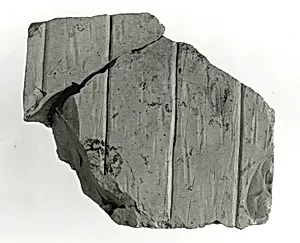
Medium
Limestone, varnish
Dimensions
12.5 x 14.5 x 4.8
Classification
Relief, Tomb of Nespekashuty
Period
Late Period, Saite
Department
Egyptian Art
Museum
Metropolitan Museum of Art, New York, NY
Credit
Rogers Fund, 1923
Accession Number
23.3.890
Rights
Public Domain
Art Historical Context
This exquisite raised relief fragment, carved from limestone and coated with varnish, hails from Egypt's Late Period during the Saite 26th Dynasty (664–610 B.C.). a modest 12.5 x 14.5 x 4.8 cm, it offers a tantalizing glimpse into the refined artistry of a time when Egypt experienced a cultural renaissance under rulers like Psamtik I. After centuries of foreign domination, the Saite pharaohs revived the grandeur of Old Kingdom styles, commissioning works that blended tradition with innovation to assert national identity and divine order. In Egyptian art, raised relief was a masterful technique where figures were carved to protrude boldly from the stone background, creating a dynamic play of light and shadow that brought scenes to life. Limestone, abundant and workable, was a favored medium for temple and tomb decorations, while the varnish likely preserved vibrant pigments and protected the surface from the harsh desert climate. Though the exact scene is fragmented—possibly depicting deities, offerings, or royal figures—this piece exemplifies the Saite period's precision and elegance, hallmarks of a golden age in sculpture. Acquired through the Rogers Fund in 1923, it now graces the Metropolitan Museum of Art's Egyptian Art collection, inviting visitors to ponder the enduring legacy of ancient craftsmen whose subtle chisel work still whispers of eternity.