
Raised relief fragment
Unknown Artist
664–610 B.C.
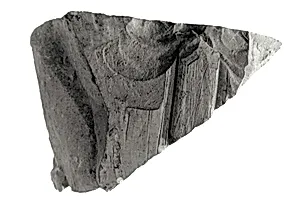
Medium
Limestone
Dimensions
5.5 x 6 x 3.2
Classification
Relief, Tomb of Nespekashuty
Period
Late Period, Saite
Department
Egyptian Art
Museum
Metropolitan Museum of Art, New York, NY
Credit
Rogers Fund, 1923
Accession Number
23.3.973
Rights
Public Domain
Art Historical Context
This raised relief fragment, carved from limestone around 664–610 B.C., offers a tantalizing glimpse into the artistry of Egypt's Late Period, specifically the Saite dynasty (asty 26). Measuring just 5.5 x 6 x 3.2 inches, it likely originated from a temple or tomb wall, where such reliefs adorned sacred spaces to honor gods, pharaohs, or the journey. The Saite era marked a cultural renaissance, with artists reviving the refined techniques of Old Kingdom masters. Raised relief, in which figures are left proud against a recessed background, exemplifies this precision—carvers meticulously incised details using copper tools, achieving crisp lines and subtle depth. Limestone, abundant along the Nile, allowed for fine-grained work that captured hieroglyphs, symbolic motifs, or ritual scenes, blending aesthetics with profound religious meaning. Though incomplete, this fragment from the Metropolitan Museum of Art's Egyptian collection (acquired via the Rogers Fund in 1923) underscores the enduring legacy of Saite craftsmanship, a bridge between ancient traditions and later Ptolemaic splendor. It invites us to ponder the skilled hands that shaped eternity from stone.