
Raised relief fragment
Unknown Artist
664–610 B.C.
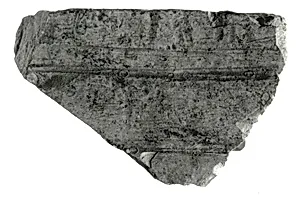
Medium
Limestone, varnished
Dimensions
4 x 6.3 x 3
Classification
Relief, Tomb of Nespekashuty
Period
Late Period, Saite
Department
Egyptian Art
Museum
Metropolitan Museum of Art, New York, NY
Credit
Rogers Fund, 1923
Accession Number
23.3.958
Rights
Public Domain
Art Historical Context
This raised relief fragment, to 664–610 B.C., hails from Egypt's Late Period during the Saite Dynasty (Dynasty 26), a time when artists revived the refined styles of earlier kingdoms like the Old Kingdom. Carved from limestone and enhanced with a varnish—a technique that protected the surface and heightened its luster—this small piece (4 x 6.3 x 3 inches) the meticulous craftsmanship of Saite sculptors. Acquired through the Rogers Fund in 1923, it now resides in the Metropolitan Museum of Art's Egyptian Art collection. Raised relief, where figures and motifs protrude boldly from the background, was a hallmark of Egyptian monumental art, often adorning temple walls or tomb chapels. The varnish suggests it was part of a larger, vibrant decorative scheme, possibly depicting royal or ritual scenes that conveyed permanence and divine order—core tenets of ancient Egyptian belief. Though incomplete, the fragment offers a tantalizing glimpse into the Saite renaissance, a cultural revival under rulers like Psamtik I, who sought to restore Egypt's artistic grandeur amid foreign influences. For visitors, this artifact whispers of ancient workshops buzzing with chisels and pigments, bridging us to a world where stone captured eternity.