
Rapier
Unknown Artist
ca. 1600
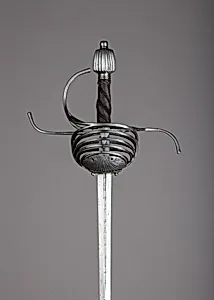
Medium
Steel
Dimensions
L. 51 3/8 in. (130.5 cm); L. of blade 45 5/8 in. (115.9 cm); W. 10 in. (2.5 cm); D. 5 in. (12.7 cm); Wt. 2 lb. 10 oz. (1190.7 g)
Classification
Swords
Culture
Italian
Department
Arms and Armor
Museum
Metropolitan Museum of Art, New York, NY
Credit
Gift of William H. Riggs, 1913
Accession Number
14.25.1001
Rights
Public Domain
Art Historical Context
This elegant Italian rapier, dating to around 1600, exemplifies the pinnacle of Renaissance arms craftsmanship. Forged from steel, its slender blade measures an impressive 45⅝ inches (115.9 cm), designed primarily for thrusting in duels and self-defense rather than slashing. At just over 2 pounds (1190.7 g), the overall length of 51⅜ inches (130.5 cm) made it agile for skilled fencers, reflecting the era's emphasis on personal combat and chivalry. Rapiers like this one emerged in late 16th-century Italy and Spain, evolving from broader medieval swords into sophisticated civilian weapons. They symbolized status among nobility and gentlemen, often paired with elaborate hilts (though this example's specifics highlight the blade's functional beauty). The steel's tempering and forging techniques showcase metallurgical expertise, balancing strength, flexibility, and lightness—key to surviving parries and lunges. A generous gift to the Metropolitan Museum of Art by William H. Riggs in 1913, this rapier now resides in the Arms and Armor Department. It invites us to imagine the swagger of a Milanese duelist, blending lethal utility with artistic refinement in Italy's vibrant cultural crossroads.