
Rapier
Unknown Artist
ca. 1580
Medium
Steel, gold, iron, wood
Dimensions
L. 46 in. (116.8 cm); L. of blade 39 3/4 in. (101 cm); W. 10 3/4 in. (27.3 cm); D. 5 in. (12.7 cm); Wt. 2 lb. 11 oz. (1219 g)
Classification
Swords
Culture
Italian
Department
Arms and Armor
Museum
Metropolitan Museum of Art, New York, NY
Credit
Gift of William H. Riggs, 1913
Accession Number
14.25.1133
Rights
Public Domain
Art Historical Context
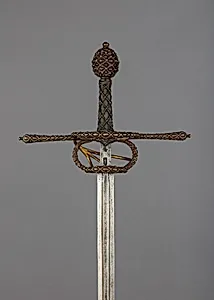
This exquisite rapier, crafted in Italy around 1580, exemplifies the Renaissance fusion of lethal functionality and opulent artistry in arms and armor. Measuring nearly 46 inches in length with a 39¾-inch steel blade, it weighs just over 2 pounds, balancing agility for swift thrusts essential to the dueling culture of the era. The hilt incorporates gold, iron, and wood, hinting at luxurious gilding and ergonomic design that elevated such weapons from mere tools of combat to status symbols for nobility and gentlemen. Rapiers like this emerged in the late 16th century as civilian sidearms, distinct from heavier medieval swords, reflecting Italy's vanguard role in fencing techniques and the rise of personal honor codes. Italian swordsmiths pioneered slender, pointed blades optimized for piercing armor gaps, while ornate hilts showcased gold damascening or wirework—techniques blending metallurgy with jewelry-like finesse. This piece, a gift to the Metropolitan Museum of Art from William H. Riggs in 1913, captures the period's cultural zeitgeist: a world where martial prowess intertwined with Renaissance humanism and lavish display.