
Relief Fragment
Unknown Artist
ca. 1479–1458 B.C.
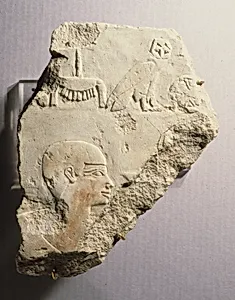
Medium
limestone
Dimensions
H. 23 cm (9 1/16 in); w. 18 cm (7 1/16 in)
Classification
Relief, man
Period
New Kingdom
Department
Egyptian Art
Museum
Metropolitan Museum of Art, New York, NY
Credit
Gift of Mrs. Morton C. Nichols, 1950
Accession Number
50.19.2
Rights
Public Domain
Tags
Art Historical Context
This enchanting limestone relief fragment dating to around 1479–1458 B.C., hails from Egypt's New Kingdom, specifically Dynasty 18—a golden age of imperial power and artistic splendor under pharaohs like Hatshepsut and Thutmose III. Carved from soft, workable limestone, a favored medium for temple and tomb decorations, it measures a modest 23 cm high by 18 cm wide, it once adorned a larger wall in a sacred or funerary context. Gifted to the Metropolitan Museum of Art 1950 by Mrs. Morton C. Nichols, offers a glimpse into ancient Egyptian life. The fragment likely captures a dynamic scene featuring men and owls, rendered in the iconic Egyptian style of precise profiles and hierarchical proportions. Relief carving techniques here would involve chiseling figures into the stone surface, creating depth and shadow for visual impact under temple torchlight. Owls, often linked to nocturnal wisdom or protective deities in Egyptian iconography, add a layer of mystery alongside human figures, possibly laborers or attendants. Such fragments highlight the New Kingdom's mastery of narrative art, blending daily life with symbolic elements to invoke eternity. A small treasure, it invites us to ponder the skilled hands that shaped it millennia ago.