
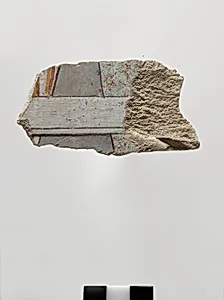
Relief fragments from tomb of Meketre
Unknown Artist
ca. 1981–1975 B.C.
Medium
Limestone, paint
Classification
Relief, tomb of Meketre
Period
Middle Kingdom
Department
Egyptian Art
Museum
Metropolitan Museum of Art, New York, NY
Credit
Rogers Fund, 1931
Accession Number
31.3.183e
Rights
Public Domain
Art Historical Context
These enchanting relief fragments come from the tomb chapel ofeketre, a high official—likely treasurer or vizier—during Egypt's Middle Kingdom (Dynasty 12, ca. 1981–1975 B.C.). Unearthed at Deir el-Bahari Thebes, they adorned the walls of his rock-cut tomb, part of a lavish ensemble that included famous wooden models of daily life. Acquired by the Metropolitan Museum of Art through the Rogers Fund in 1, they transport us to an era of renewed artistic vigor after the First Intermediate Period's unrest. Crafted in limestone with traces of original paint, these sunk reliefs showcase Middle Kingdom techniques: figures are carved below the surface for durability and color retention, allowing vibrant pigments to highlight details. This style marked a shift from Old Kingdom formality toward greater naturalism—livelier poses, expressive faces, and intimate scenes of offerings, servants, and provisions meant to sustain Meketre in the afterlife. Culturally, the fragments reveal Egypt's obsession with eternity: tomb art magically activated the deceased's sustenance. They offer rare insights into administrative life, agriculture, and ritual, bridging the gap between elite bureaucracy and everyday rhythms in ancient Thebes. A window into a golden age! (198 words)