
Rhyton
Unknown Artist
1st millennium BCE
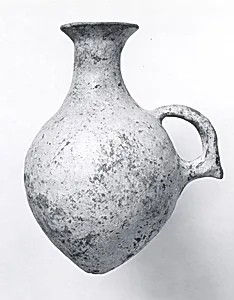
Medium
Ceramic
Dimensions
7.87 x 6.3 in. (19.99 x 16 cm)
Classification
Ceramics-Vessels
Culture & Period
Iran · Iron Age
Department
Ancient Near Eastern Art
Museum
Metropolitan Museum of Art, New York, NY
Credit
Gift of Mr. and Mrs. J. Gordon Douglas III, 1984
Accession Number
1984.319.3
Rights
Public Domain
Art Historical Context
Welcome to the Ancient Near Eastern Art gallery at the Metropolitan Museum of Art where you'll find this intriguing **Rhyton**, a vessel from Iron Age Iran dating to the 1st millennium BCE. a compact 7.87 x 6.3 inches (19.99 x 16 cm), this finely crafted piece exemplifies the sophisticated pottery traditions of ancient Iranian cultures during a transformative era marked by iron technology, emerging empires, and vibrant trade networks. Rhytons were ritual drinking or pouring vessels, often horn-shaped with a small aperture at the base, used in ceremonial banquets, libations, or religious rites. In Iron Age Iran—possibly linked to early Median or Achaemenid influences—this ceramic example highlights the region's mastery of wheel-throwing and firing techniques, producing durable, elegantly proportioned forms suited for both practical and symbolic use. Such vessels bridged everyday life and the divine, reflecting the cultural importance of feasting and offerings in Near Eastern societies. Generously gifted by Mr. and Mrs. J. Gordon Douglas III in 1984, this rhyton offers a tangible window into the artistry of an anonymous ancient potter, inviting us to ponder the hands that shaped it millennia ago. A testament to enduring craftsmanship!