
Richard Abell
Medium
Enamel
Dimensions
Oval, 1 3/4 x 1 3/8 in. (45 x 35 mm)
Classification
Miniatures
Department
European Paintings
Museum
Metropolitan Museum of Art, New York, NY
Credit
The Moses Lazarus Collection, Gift of Josephine and Sarah Lazarus, in memory of their father, 1888–95
Accession Number
95.14.61
Rights
Public Domain
Tags
Art Historical Context
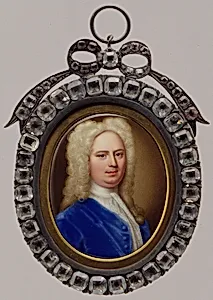
This exquisite enamel miniature portrait, *Richard Abell* (1724), by Christian Friedrich Zin, captures the elegance of early 18th-century portraiture in a diminutive oval frame measuring just 1 ¾ x 1 ⅜ inches. Zincke, a German-born who flourished in London, was renowned for his mastery of enamel painting—a technique he learned from masters like Jean Petitot. Working during the reign of George I, he created jewel-like likenesses for the elite, blending Rococo finesse with meticulous realism. Enamel miniatures like this one were prized for their permanence and portability, painted on gold or copper with layers of translucent glass-like pigments fired in a kiln up to 20 times. This labor-intensive process yielded vibrant, durable colors resistant to fading, making them ideal for lockets, rings, or snuffbox lids. Zincke's subtle modeling of Abell's features—likely a gentleman of means—highlights his skill in rendering lifelike expressions and fine lace details on such a tiny scale. Now housed in The Metropolitan Museum of Art's European Paintings department as part of The Moses Lazarus Collection (gifted 1888–95), this piece exemplifies the intimate artistry of portrait miniatures, bridging painting and jewelry while preserving a snapshot of Georgian society.