
Roof Tile
Unknown Artist
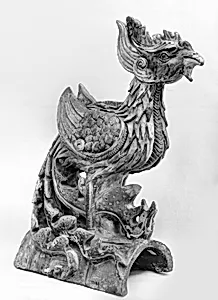
Medium
Pottery
Dimensions
H. 15 3/8 in. (39.1 cm); W. 12 1/4 in. (31.1 cm); D. 6 1/4 in. (15.9 cm)
Classification
Ceramics
Culture & Period
China · Ming dynasty (1368–1644)
Department
Asian Art
Museum
Metropolitan Museum of Art, New York, NY
Credit
Rogers Fund, 1911
Accession Number
11.81
Rights
Public Domain
Tags
Art Historical Context
This exquisite roof tile from China's Ming dynasty (13681644) exemplifies the's masterful ceramics craftsmanship, designed to adorn the sweeping roofs of palaces, temples, and elite homes. Measuring about 15 inches high, 12 inches wide, and6 inches deep, it features birds—a common motif symbolizing grace, freedom, and good fortune in Chinese culture. During the Ming period, roof tiles like this protected structures from rain while adding vibrant decoration, transforming architecture into a canvas of artistry. Crafted from pottery, the tile showcases techniques such as mold-making and high-fired glazing, which ensured durability against harsh weather. Ming potters, renowned for their porcelain innovations, extended these skills to architectural ceramics, often imbuing pieces with symbolic animals or mythical creatures to ward off evil spirits and invite prosperity. Though the exact date and artist remain unknown, its acquisition via the Rogers Fund in 1911 highlights its early recognition as a treasure. Today, in the Metropolitan Museum of Art's Asian Art collection, this tile offers a glimpse into Ming opulence, where everyday building elements became emblems of imperial splendor and cultural harmony.