
Roundel
Unknown Artist
ca. 1360–77
Medium
Stained Glass
Dimensions
10 1/4 in. × 5/16 in. (26 × 0.8 cm)
Classification
Glass-Stained
Culture
British
Department
Medieval Art
Museum
Metropolitan Museum of Art, New York, NY
Credit
Bequest of George D. Pratt, 1935
Accession Number
41.170.76
Rights
Public Domain
Art Historical Context
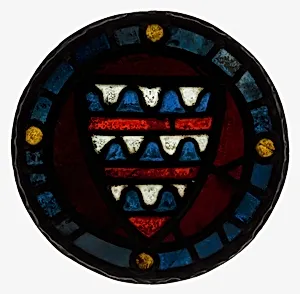
This delicate stained glass roundel, crafted by an unknown British artist around 1360–77, exemplifies the exquisite artistry of late medieval England. Measuring just 10¼ inches in diameter and a mere 5/16 inch thick, these small circular panels were popular decorative elements, often set into wooden tracery or stonework in domestic windows, monastic settings, or secular buildings. Unlike grand cathedral windows, roundels brought vibrant color and narrative scenes into everyday spaces, filtering sunlight to create jewel-like effects. The medium of stained glass—pot-metal glass colored during manufacture and enhanced with vitreous paint fired onto the surface—allowed for luminous translucency and intricate detailing. British makers during this Gothic era mastered these techniques, drawing from continental influences while developing a distinctive style rich in symbolic motifs, heraldry, and biblical imagery. Though the specific subject here remains unidentified, such roundels typically depicted saints, virtues, or moral allegories, serving both aesthetic and devotional purposes amid the cultural shifts of Edward III's reign. Housed in the Metropolitan Museum of Art's Medieval Art Department through the bequest of George D. Pratt in 1935, this rare survivor offers a window into 14th-century craftsmanship, highlighting how glass artisans elevated humble materials into transcendent art. Visitors are invited to imagine its glow animating a long-lost English hall.