
Sarcophagus of Mindjedef
Unknown Artist
ca. 2520–2472 B.C.
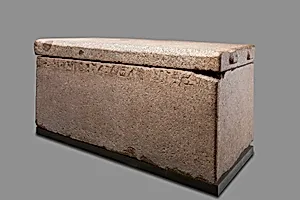
Medium
Granite
Dimensions
L. 236.9 × W. 96.5 × H. 104.1 cm (93 1/4 × 38 × 41 in.)
Classification
Sarcophagus, Mindjedef
Period
Old Kingdom
Department
Egyptian Art
Museum
Metropolitan Museum of Art, New York, NY
Credit
Rogers Fund, by exchange, 1954
Accession Number
54.80a, b
Rights
Public Domain
Tags
Art Historical Context
Step into ancient Egypt with the Sarcophagus of Mindjedef, a monumental granite coffin from the Old Kingdom's Dynasty 4 (ca. 2520–2472 B.C.). Crafted for Mindjedef, likely a royal prince or high-ranking noble during the era of the great pyramids at Giza, this sarc exemplifies the pinnacle of early Egyptian stoneworking. Measuring nearly 8 feet long, it was designed to eternally house the mummy, safeguarding the deceased's body for the journey to the afterlife—a core belief in Egyptian cosmology. Carved from durable pinkish Aswan granite, prized for its hardness and symbolic permanence, the sarcophagus showcases masterful techniques honed by artisans in royal workshops. Its surfaces are adorned with hieroglyphs, incised with precision using copper tools and abrasives, invoking protective spells and the owner's titles to ensure rebirth in the Field of Reeds. This medium's choice reflects the pharaohs' monumental ambitions, mirroring the enduring pyramids of Khufu and Khafre. Today, housed in the Metropolitan Museum of Art's Egyptian Art department (acquired via Rogers Fund, 1954), it offers a tangible link to a society obsessed with immortality. Visitors can marvel at how such craftsmanship bridged the mortal world and eternity, revealing the sophistication of Old Kingdom elite burial practices.