
Sash for Use Under Obi
Unknown Artist
19th century
Medium
Silk / Plain weave crepe
Dimensions
111 x 16 1/2 in. (281.94 x 41.91 cm)
Classification
Textiles-Painted and Printed
Culture
Japan
Department
Asian Art
Museum
Metropolitan Museum of Art, New York, NY
Credit
Gift of Arthur M. Crocker and William R. Crocker, 1975
Accession Number
1975.283.2
Rights
Public Domain
Tags
Art Historical Context
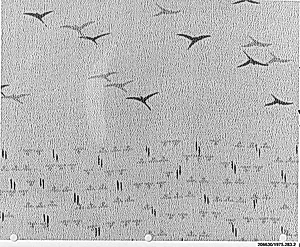
This exquisite 19th-century sash, designed for wear beneath the obi—the wide sash that secures a kimono—offers a glimpse into the refined world of Japanese traditional attire. In Edo-period and early Meiji-era Japan, such undergarments were essential for comfort and layering, allowing outer layers to drape smoothly while providing subtle elegance. Though hidden from view, these pieces often featured intricate designs, reflecting the wearer's appreciation for artistry in everyday life. Crafted from silk plain-weave crepe, a lightweight fabric with a distinctive crinkled texture prized for its drape and breathability, the sash measures an impressive 111 by 16½ inches, wrapping securely around the body. Classified as a painted and printed textile, it showcases delicate bird motifs—symbols of freedom, nature, and seasonal beauty in Japanese art—rendered with precision that highlights the era's masterful dyeing and printing techniques. Now housed in the Metropolitan Museum of Art's Asian Art Department, thanks to a 1975 gift from Arthur M. Crocker and William R. Crocker, this sash exemplifies Japan's textile heritage, where even concealed garments embodied cultural sophistication and craftsmanship.