
Saucer
Unknown Artist
Medium
Porcelain painted in overglaze polychrome enamels and gilt
Dimensions
H. 4 1/4 in. (10.8 cm)
Classification
Ceramics
Culture & Period
China · Qing dynasty (1644–1911)
Department
Asian Art
Museum
Metropolitan Museum of Art, New York, NY
Credit
Purchase by subscription, 1879
Accession Number
79.2.520
Rights
Public Domain
Tags
Art Historical Context
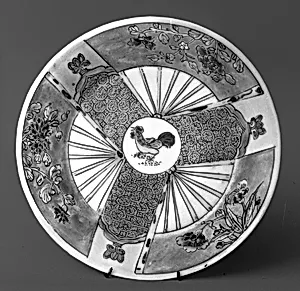
This exquisite porcelain saucer from China's Qing dynasty (1644–1911) exemplifies the era's mastery of ceramics, blending functionality with lavish decoration. Standing just 4¼ inches (10.8 cm) high, it features overglaze polychrome enamels and gilt, techniques that allowed artisans to apply vibrant colors and gold accents after the initial firing. This method created durable, luminous designs that captured light beautifully, making such pieces prized for both daily use and display. The saucer's motifs—lively roosters amid blooming flowers—carry deep cultural resonance. Roosters symbolize vigilance, courage, and the dawn of good fortune in Chinese tradition, while flowers evoke prosperity and the fleeting beauty of life. These auspicious emblems reflect Qing tastes for symbolic artistry, often produced in imperial kilns or for export, highlighting porcelain's role in global trade. Acquired by subscription in 1879, this saucer now graces the Metropolitan Museum of Art's Asian Art collection. It offers a window into 18th- or 19th-century refinement, reminding us how everyday objects became canvases for storytelling and elegance.