
Scarab of Ramesses II
Unknown Artist
ca. 1295–1070 B.C.
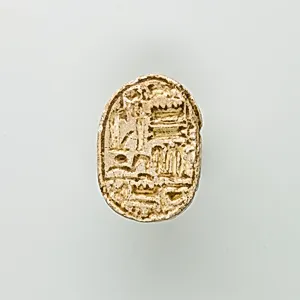
Medium
Glazed steatite
Dimensions
H. 2.1 × W. 1.4 cm (13/16 × 9/16 in.)
Classification
Scarab, Ramesses II
Period
New Kingdom, Ramesside
Department
Egyptian Art
Museum
Metropolitan Museum of Art, New York, NY
Credit
Gift of Helen Miller Gould, 1910
Accession Number
10.130.113
Rights
Public Domain
Tags
Art Historical Context
Behold the **Scarab of Ramesses**, a tiny yet mighty artifact from ancient Egypt's New Kingdom (ca. 1295–1070 B.C.), the Ramesside period of Dynasties 19–20. Crafted during or evoking the era of Ramesses II, the "Great," one of Egypt's most powerful pharaohs known for his monumental building projects like Abu Simbel and the Battle of Kadesh, this glazed steatite scarab just 2.1 x 1.4 cm. housed in the Metropolitan Museum of Art's Egyptian Art Department—thanks to a 1910 gift from Helen Miller Gould—it exemplifies the era's reverence for eternity and divine kingship. In Egyptian culture, scarabs mimicked the sacred dung beetle, symbolizing rebirth, the sun's daily cycle, and regeneration—a perfect emblem for the afterlife. This one, inscribed with hieroglyphs likely bearing the pharaoh's royal name or titles, served as both amulet and seal, worn as jewelry or pressed into clay for official documents. The medium of steatite, a soft soapstone, was glazed for a vibrant, durable sheen, showcasing masterful lapidary techniques that allowed intricate carving on such a minuscule scale. Though its unknown creator remains anonymous, the scarab's precision reflects New Kingdom artistry's blend of symbolism and utility, bridging the mortal world and immortality. A window into Ramesses II's enduring legacy, it invites us to ponder the pharaohs' quest for forever.