
Scissors
Unknown Artist
late 19th–early 20th century
Medium
Metal
Dimensions
H. 3 1/8 in. (7.9 cm); W. 2 in. (5.1 cm)
Classification
Cloisonné
Culture
Japan
Department
Asian Art
Museum
Metropolitan Museum of Art, New York, NY
Credit
Gift of Dr. Bashford Dean, 1921
Accession Number
21.64.19
Rights
Public Domain
Art Historical Context
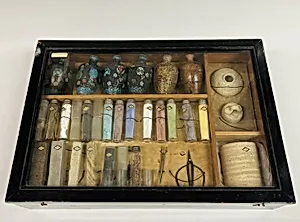
Nestled in the Metropolitan Museum of Art's Asian collection, these delicate *Scissors* (late 19th– 20th century) a humble utilitarian tool into a masterpiece of Japanese craftsmanship. Measuring just 3 1/8 inches high 2 inches wide, metal object gleams with intricate cloisonné enamelwork, a technique where thin wires are soldered onto the surface to create compartments filled with vibrant vitreous enamels, then fired to fuse them into a glassy sheen. Gifted by Dr. Bashford Dean in 1921, these scissors exemplify Japan's export artistry during the Meiji and Taisho eras. Cloisonné flourished in Japan from the 19th century onward, building on Chinese and European influences but achieving unparalleled finesse through local innovation. Artisans like those from the Ando workshop in Nagoya elevated everyday items—such as sewing tools—into luxurious decorative pieces, often adorned with floral motifs, landscapes, or mythical scenes to appeal to Western collectors at international expositions. Though the designs here remain unspecified, the precision of the wires and enamel suggests high-quality shippō (cloisonné) work, prized for its durability and jewel-like translucency. These scissors highlight Japan's Meiji-era blend of tradition and modernity, where functional objects became symbols of national pride and technical prowess. A closer look reveals how such miniatures invited admiration for their meticulous detail, bridging utility and beauty in everyday life.