
Scissors (part of a set)
1848–49
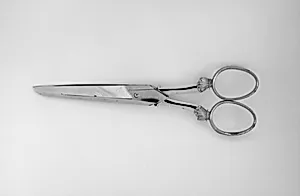
Medium
Steel
Dimensions
5 1/2 × 1 11/16 in. (14 × 4.3 cm)
Classification
Metalwork-Silver In Combination
Culture
Russian
Department
European Sculpture and Decorative Arts
Museum
Metropolitan Museum of Art, New York, NY
Credit
Gift of Ralph McAllister Ingersoll, 1968
Accession Number
68.33.27
Rights
Public Domain
Art Historical Context
Nestled in the Metropolitan Museum of Art's European Sculpture Decorative Arts collection, delicate *Scissors (part of a set)* J. Hobson & Son of England exemplify mid-19th-century metalworking finesse. Crafted between 1848 and 1849 from steel, with silver elements in combination, they measure a dainty 5½ × 1⅝ inches (14 × 4.3 cm). Produced during the Victorian era, when British artisans like Hobson specialized in precision tools for personal grooming, these scissors likely formed part of an elegant manicure or toilette set, blending utility with ornamental appeal. Their Russian cultural association hints at international trade and elite tastes—English luxury goods were highly prized in imperial Russia, where such items adorned the dressing tables of the aristocracy. Hobson & Son's technique showcases masterful forging and polishing, creating sharp, balanced blades that reflect the Industrial Revolution's advances in steel production while maintaining handcrafted elegance. A gift to the Met from Ralph McAllister Ingersoll in 1968, these scissors offer a glimpse into everyday opulence, reminding us how even the smallest objects carried artistic prestige across borders.