
Seal
Unknown Artist
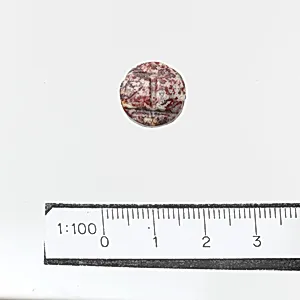
Medium
Jasper, Quartz
Dimensions
Other: 1/2 x 1/4 in. (1.3 x 0.6 cm)
Classification
Gems
Culture
Minoan, Crete
Department
Greek and Roman Art
Museum
Metropolitan Museum of Art, New York, NY
Credit
Bequest of Richard B. Seager, 1926
Accession Number
26.31.216
Rights
Public Domain
Tags
Art Historical Context
This exquisite Minoan seal, crafted from jasper and quartz exemplifies the masterful stone-carving techniques of ancient Crete's Bronze Age civilization (circa 3000–1100 BCE). Measuring just 1/2 x 1/4 inches, its diminutive size belies its intricate design, likely featuring engraved motifs typical of Minoan gems—such as stylized animals, plants, or hieroglyphic symbols. These hard semiprecious stones were prized for their durability, allowing fine details to be incised with precision using abrasives and rotating tools, a testament to the Minoans' advanced lapidary skills. Seals like this one held profound cultural importance in Minoan society, serving as personal identifiers for administrative documents, trade goods, or as amuletic jewelry. They offer a glimpse into the vibrant world of Crete's palace-centered culture, known for grand complexes like Knossos and a script that remains partially undeciphered. Part of the Metropolitan Museum of Art's Greek and Roman Art collection, this gem entered through the 1926 bequest of archaeologist Richard B. Seager, a pioneering excavator of Minoan sites. Though its precise imagery and date elude us, the seal captivates with its portability and mystery, bridging us to a seafaring people whose artistry influenced later Greek myths. A true pocket-sized portal to prehistory!