
Sealing
Unknown Artist
ca. 2030–1640 B.C.
Medium
Clay (unfired)
Classification
Sealing
Period
Middle Kingdom
Department
Egyptian Art
Museum
Metropolitan Museum of Art, New York, NY
Credit
Rogers Fund and Edward S. Harkness Gift, 1914
Accession Number
14.3.436
Rights
Public Domain
Art Historical Context
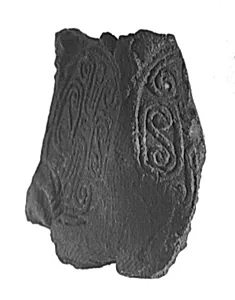
Step into the bustling world of ancient Egypt's Middle Kingdom with this intriguing *Sealing*, crafted from unfired clay around 2030–1640 B. during Dynasties 12–13. Created by an unknown artist, this small artifact—acquired through the Rogers Fund and Edward S. Harkness in 1914—is a testament to the era's sophisticated administration. Sealings like this were pressed impressions from cylinder seals, used to secure papyrus documents, jars, or doorways, ensuring authenticity in trade, taxation, and royal decrees. The Middle Kingdom marked a renaissance of stability and cultural revival after chaotic times, with pharaohs like Amenemhat I centralizing power. These clay lumps, left unfired for quick use, often bore hieroglyphic inscriptions of royal names, titles, or deities, blending artistry with practicality. The fragility of the medium highlights their everyday role—discarded after opening—offering rare glimpses into non-elite bureaucracy. Housed in the Metropolitan Museum of Art's Egyptian Art department, this sealing reveals how Egyptians innovated security long before modern locks, underscoring a society where symbolism and script wielded real authority. A humble survivor, it connects us to the scribes and officials who kept the Nile's realm humming.