
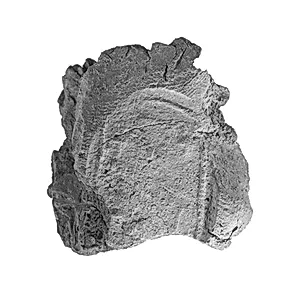
Sealing
Unknown Artist
ca. 2030–1640 B.C.
Medium
Clay (unfired)
Classification
Sealing
Period
Middle Kingdom
Department
Egyptian Art
Museum
Metropolitan Museum of Art, New York, NY
Credit
Rogers Fund and Edward S. Harkness Gift, 1914
Accession Number
14.3.282b
Rights
Public Domain
Art Historical Context
Step into the bustling world of Middle Kingdom Egypt with this intriguing *Sealing*, crafted from unfired clay around 2030–1640 B.C. during Dynasties 12–13. Produced by an unknown artist, this small artifact from the Metropolitan Museum of Art Egyptian Art collection—acquired through the Rogers Fund and Edward. Harkness Gift in1914—represents everyday administrative tools vital to ancient Egyptian society. Unfired clay was ideal for these temporary impressions, pressed from cylinder seals or scarabs to secure goods, documents, or storage jars against tampering. In the Middle Kingdom, a golden age of stability and cultural revival following centuries of unrest, sealings played a crucial role in bureaucracy and trade. They bore motifs like royal names, deities, or symbolic animals, stamped into soft clay that hardened naturally over time. This technique highlights the Egyptians' practical ingenuity, blending artistry with function—hieroglyphs and designs ensured authenticity in a vast kingdom stretching from Nubia to the Delta. Though modest in scale, such sealings offer a window into the organizational prowess that underpinned pharaonic power, from granary seals to diplomatic pouches. A testament to enduring daily life, it reminds us how even humble objects fueled one of history's greatest civilizations.