
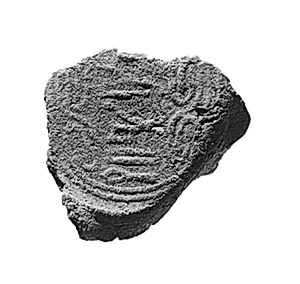
Sealing
Unknown Artist
ca. 2030–1640 B.C.
Medium
Clay (unfired)
Classification
Sealing
Period
Middle Kingdom
Department
Egyptian Art
Museum
Metropolitan Museum of Art, New York, NY
Credit
Rogers Fund and Edward S. Harkness Gift, 1914
Accession Number
14.3.278
Rights
Public Domain
Art Historical Context
Step into the bustling world of Middle Kingdom Egypt with this intriguing *Sealing*, crafted from unfired clay around 2030–1640 B.C. during Dynasties 12–13. As a humble yet vital artifact from ancient Egyptian administration, it represents the impression left by a seal—likely a scarab or cylinder—pressed into soft clay to secure doors, jars, or documents. This simple technique ensured that only authorized individuals could access goods or papyri, reflecting the era's sophisticated bureaucracy and emphasis on order after the chaos of the First Intermediate Period. Unfired clay was ideal for these everyday sealings, as it hardened naturally over time without needing a kiln, making it practical for widespread use in temples, tombs, and royal estates. Discovered and gifted to the Metropolitan Museum of Art in 1914 through the Rogers Fund and Edward S. Harkness, this piece offers a window into the Middle Kingdom's cultural priorities: prosperity, literacy, and centralized control under pharaohs like Amenemhat I and Senwosret III. Though the artist remains unknown, the sealing's hieroglyphic impressions (if preserved) would have conveyed royal titles, names, or symbols of power, underscoring Egypt's enduring legacy of administrative innovation. A small artifact with big stories—perfect for pondering the unsung heroes of ancient record-keeping!