
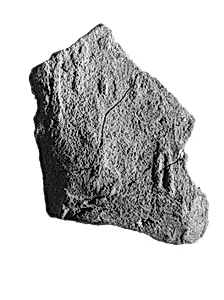
Sealing
Unknown Artist
ca. 2030–1640 B.C.
Medium
Clay (unfired)
Classification
Sealing
Period
Middle Kingdom
Department
Egyptian Art
Museum
Metropolitan Museum of Art, New York, NY
Credit
Rogers Fund and Edward S. Harkness Gift, 1914
Accession Number
14.3.282m
Rights
Public Domain
Art Historical Context
Step into the bustling world of ancient Egypt's Middle Kingdom with this intriguing *Sealing*, crafted from unfired clay around 2030–1640 B.C. during Dynasties 12–13. Dating to a golden age of stability and cultural revival after turbulent times, this small artifact hails from the Metropolitan Museum of Art Egyptian Art collection, acquired through the Rogers Fund and Edward S.ness Gift in 191. Unknown in its maker, it captures the everyday ingenuity of a society renowned for its administrative prowess. Made of soft, unfired clay, the sealing served a practical purpose: pressed with a cylinder or stamp seal to secure doors, storage jars, or documents, much like a modern wax seal. This medium's fragility preserved the intricate impressions—likely hieroglyphs, royal names, or symbolic motifs—offering a snapshot of ownership, trade, and bureaucracy. Unfired clay was ideal for one-time use, dissolving or crumbling after serving its role, making surviving examples rare windows into daily life. Culturally, such sealings underscore the Middle Kingdom's emphasis on order and pharaonic authority, reflecting a period of artistic refinement and expanded literacy. Imagine scribes and officials stamping these to protect temple treasures or royal grain stores— a humble yet vital thread in Egypt's enduring tapestry of innovation.