
Selby's Flycatcher
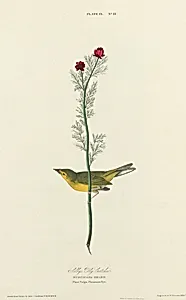
Medium
hand-colored etching on Whatman paper
Classification
Department
CG-W
Museum
National Gallery of Art, Washington, D.C.
Credit
Gift of Mrs. Walter B. James
Accession Number
1945.8.9
Rights
Public Domain
Art Historical Context
**Selby's Flycatcher a captivating hand-colored etching created in 1827 by William Lizars after John Jamesubon, captures the delicate beauty of this lesser-known bird species. Part of Audubon's groundbreaking *The Birds of America* series, it exemplifies the artist's passion for documenting North American wildlife with unprecedented accuracy drama. Audubon, a self-taught naturalist and painter, posed birds in dynamic, lifelike vignettes drawn from meticulous field observations, revolutionizing ornithological illustration during the early 19th century. Printed on high-quality Whatman paper—a favored British stock known for its durability and smooth surface—the etching technique allowed for intricate line work that Lizars masterfully translated from Audubon's watercolor originals. Artisans then hand-applied vibrant colors, bringing the flycatcher's subtle plumage and alert posture to vivid life. This labor-intensive process elevated prints from mere reproductions to collector's treasures, blending scientific precision with artistic elegance. Generously gifted to the National Gallery of Art by Mrs. Walter B. James, this work highlights Audubon's enduring legacy in bridging art and science. Visitors will appreciate how it invites us to marvel at nature's intricacies, much as 19th-century audiences did when these majestic folios first unfolded. (198 words)