
Sense of Sight
mid- 17th century
Medium
figures
Classification
figures
Department
Smithsonian Collection
Museum
Smithsonian American Art Museum
Credit
Smithsonian American Art Museum
Accession Number
1938-46-3
Rights
Public Domain
About this artwork
Research in Progress
Art Historical Context
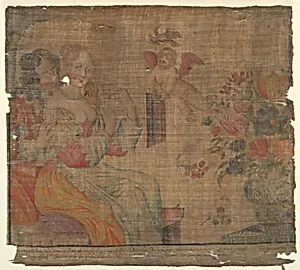
**Sense of Sight** by Paul Scarron, a French artist from the vibrant mid-17th century, captures the Baroque era's fascination with the human senses through allegorical representation. Created during a time when France was a cultural powerhouse under Louis XIII and the early reign of Louis XIV, Scarron's work reflects the period's emphasis on sensory experience in art, often symbolizing sight with attributes like eyes, mirrors, or gazing figures. As part of the Smithsonian American Art Museum's collection, this piece invites visitors to ponder how 17th-century artists personified abstract concepts to educate and delight audiences. Classified as "figures," the artwork likely employs sculptural or modeled forms, a medium that allowed for dynamic expression of emotion and movement—hallmarks of Baroque style. Scarron, active from 1610 to 1660, bridges the literary and visual worlds of his time, though research into this specific work is ongoing, adding to its allure as a subject of scholarly curiosity. Whether a standalone allegory or part of a sensory series, it exemplifies how mid-17th-century French art wove philosophy and aesthetics into tangible forms, reminding us of sight's profound role in perceiving beauty.