
Silver denarius of Julius Caesar
Unknown Artist
49–48 BCE
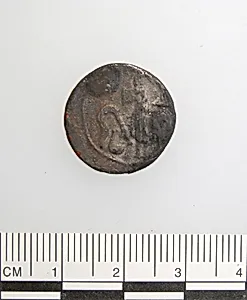
Medium
Silver
Dimensions
Diameter: 11/16 x 1/16 in., 0.1oz. (1.8 x 0.1 cm, 3g)
Classification
Coins
Culture & Period
Roman, Gaul · Late Republican
Department
Greek and Roman Art
Museum
Metropolitan Museum of Art, New York, NY
Credit
Museum Accession
Accession Number
X.314.5
Rights
Public Domain
Tags
Art Historical Context
This exquisite silver denarius, minted around 49–48 BCE during Late Roman Republic, captures a pivotal moment in history. Struck amid Julius Caesar's civil war against Pompey, at a mobile mint in Gaul, it served as both currency and propaganda. Measuring just 11/16 inch in diameter and weighing a mere 0.1 ounce, this artifact circulated among soldiers and civilians, funding Caesar's campaigns while boldly proclaiming his authority. What makes this coin revolutionary is its portrayal of Julius Caesar himself—among the earliest Roman coins to feature a living statesman's portrait. This break from tradition, reserved for gods and long-dead heroes, foreshadowed the imperial cult and personalized power that defined the Empire. The denarius, Rome's standard silver coin, was prized for its purity and portability, enabling trade across vast territories. As a masterpiece of ancient die-striking technique, its finely engraved details showcase Roman minting prowess. Housed in the Metropolitan Museum of Art's Greek and Roman Art department, this survivor offers visitors a tangible link to Caesar's ambition and the Republic's dramatic fall.