
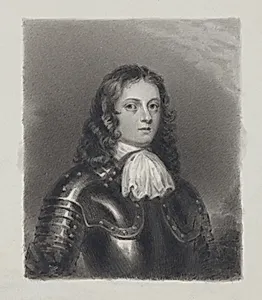
Sir William Penn
Medium
Drawing
Classification
Drawing
Department
Smithsonian Collection
Museum
Smithsonian American Art Museum
Credit
National Portrait Gallery, Smithsonian Institution; gift of Mrs. Mary Cornell
Accession Number
S/NPG.69.24
Rights
Public Domain
Tags
Art Historical Context
In the Smithsonian American Art's collection, James Barton Longacre's circa 1835 drawing *Sir William Penn* captures the likeness of the renowned English Quaker and colonizer William Penn (1644–1718). Longacre, a prominent 19th-century engraver portraitist known for his precise work on U.S. coins and banknotes, renders Penn in a striking portrait format, emphasizing his armored attire—a nod to the era's heroic depictions of founders, despite Penn's pacifist beliefs. William Penn, founder of Pennsylvania, earned historical fame for his 1682 treaty with the Lenape (Delaware) people, often cited as a rare example of colonial fairness without bloodshed. Knighted by King Charles II, he symbolized religious tolerance and democratic ideals, influencing American governance. This drawing, gifted to the National Portrait Gallery by Mrs. Mary Cornell, reflects 19th-century reverence for colonial figures amid growing national identity. Longacre's graphite or ink technique highlights fine details in Penn's face and armor, showcasing the artist's skill in preparatory portrait studies. As part of the Smithsonian's holdings, it invites visitors to ponder Penn's complex legacy as both visionary statesman and colonizer.