
Snuff Bottle
Unknown Artist
19th century
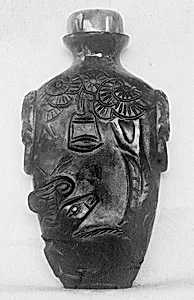
Medium
Jadeite
Dimensions
H. 2 1/16 in. (5.2 cm)
Classification
Snuff Bottles
Culture & Period
China · Qing dynasty (1644–1911)
Department
Asian Art
Museum
Metropolitan Museum of Art, New York, NY
Credit
Bequest of Benjamin Altman, 1913
Accession Number
14.40.435
Rights
Public Domain
Tags
Art Historical Context
This exquisite jadeite snuff bottle crafted in 19th-century China during the Qing dynasty (164–1911), exemplifies refined artistry of imperial-era luxury goods. Snuff bottles like this one were portable containers for powdered tobacco, a fashionable indulgence among the Qing elite, including emperors and scholars. Carved from vibrant jadeite—a prized green variety of jade revered in Chinese culture for its luminous translucency and associations with purity and prosperity—the bottle stands just over 2 inches tall, perfectly sized for slipping into a sleeve or pocket. The unknown artist's mastery is evident in the intricate carving techniques required to shape this hard, unforgiving stone, often featuring delicate animal motifs that symbolize good fortune, longevity, or harmony with nature, as hinted by its classification tags. These bottles were not mere utilitarian objects but status symbols, showcasing technical virtuosity and aesthetic elegance in a miniature format. Many incorporated hidden chambers or spoons, blending form and function seamlessly. Now part of the Metropolitan Museum of Art's Asian Art collection, thanks to the 1913 bequest of Benjamin Altman, this piece offers a window into Qing courtly life, where such treasures reflected connoisseurship and cultural sophistication. Visitors are invited to marvel at its cool, tactile allure up close!