
Snuff Bottle
Unknown Artist
19th century
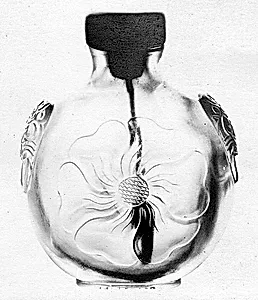
Medium
Rock crystal with jadeite stopper
Dimensions
H. 2 1/2 in. (6.4 cm)
Classification
Snuff Bottles
Culture & Period
China · Qing dynasty (1644–1911)
Department
Asian Art
Museum
Metropolitan Museum of Art, New York, NY
Credit
Bequest of Benjamin Altman, 1913
Accession Number
14.40.463a, b
Rights
Public Domain
Tags
Art Historical Context
This exquisite rock crystal snuff bottle, crafted in 19th-century China during the Qing dynasty (1644–1911), exemplifies the refined artistry of a golden age for these diminutive treasures Standing just 2½ inches (6.4 cm) tall, it served as a portable container for finely ground tobacco snuff, a luxury introduced by European traders and embraced by China's elite scholars and officials as a fashionable accessory. Snuff bottles like this one were status symbols, often carried in sleeves and admired for their ingenious design, which allowed a tiny spoon to retrieve the powder through a narrow neck. Carved from translucent rock crystal—a prized form of quartz that captures and refracts light to reveal intricate interior reliefs—the bottle likely features delicate floral motifs, evoking nature's beauty and imperial elegance. Its jadeite stopper, a vibrant green gemstone revered in Chinese culture for purity and vitality, adds both functionality and opulence. Artisans employed masterful techniques like hollowing and multi-layered engraving, showcasing the technical virtuosity of Qing workshops. Now housed in the Metropolitan Museum of Art's Asian Art Department through the bequest of Benjamin Altman in 1913, this anonymous masterpiece invites us to ponder the blend of utility, luxury, and subtle artistry that defined Qing connoisseurship.