
Snuff Bottle
Unknown Artist
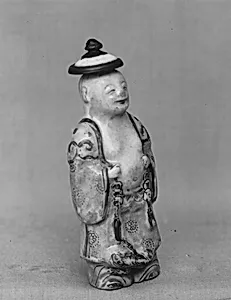
Medium
Porcelain
Dimensions
H. 3 1/4 in. (8.3 cm)
Classification
Snuff Bottles
Culture & Period
China · Qing dynasty (1644–1911), Qianlong period (1736–95)
Department
Asian Art
Museum
Metropolitan Museum of Art, New York, NY
Credit
Bequest of Benjamin Altman, 1913
Accession Number
14.40.570a, b
Rights
Public Domain
Tags
Art Historical Context
This exquisite porcelain snuff bottle hails from China's Qing dynasty during the Qianlong period (1736–95), a age of imperial artistry and refinement. Standing just 3¼ inches (8.3 cm) tall, its compact form was designed for portability, fitting neatly into a pocket or sleeve. Snuff bottles like this one were essential accessories for the elite, used to store and dispense finely ground tobacco snuff—a luxury import from the West that became a status symbol among Manchu nobility and literati. Porcelain snuff bottles from this era exemplify the pinnacle of Jingdezhen kiln techniques, where artisans achieved translucent glazes and intricate designs through meticulous molding, glazing, and firing. The Qianlong emperor's patronage spurred innovation, blending functionality with artistry; these vessels often featured subtle motifs symbolizing prosperity or scholarly pursuits. Though the artist remains unknown, the bottle's survival reflects the era's masterful craftsmanship. Today, housed in the Metropolitan Museum of Art's Asian Art Department through the bequest of collector Benjamin Altman in 1913, it offers a glimpse into 18th-century Chinese connoisseurship, bridging everyday ritual with imperial elegance.