
Snuff Bottle
Unknown Artist
18th century
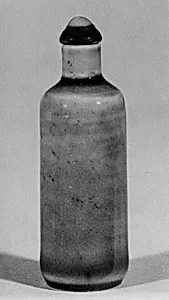
Medium
Porcelain with ivory stopper
Dimensions
H. 2 1/2 in. (6.4 cm); Diam. 3/4 in. (1.9 cm)
Classification
Snuff Bottles
Culture & Period
China · Qing dynasty (1644–1911)
Department
Asian Art
Museum
Metropolitan Museum of Art, New York, NY
Credit
Alfred W. Hoyt Collection, Bequest of Rosina H. Hoppin, 1965
Accession Number
65.86.45a, b
Rights
Public Domain
Art Historical Context
This exquisite porcelain snuff bottle from 18th-century Qing dynasty China (1644–1911) exemplifies the refined artistry of the era. Standing just 2½ inches tall and ¾ inch in diameter, its petite size made it perfect for carrying powdered tobacco snuff—a luxury imported from Europe that became a fashionable habit among the Chinese elite. Housed in the Metropolitan Museum of Art Asian Art Department, this piece entered the collection through the Alfred W. Hoyt Collection, bequest of Rosina H. Hoppin in 1965. Crafted from fine porcelain with an elegant ivory stopper, the bottle highlights China's mastery of this medium, likely produced in imperial kilns like those at Jingdezhen. Porcelain's durability and translucency allowed for intricate designs (though specifics here are understated), while the ivory lid added a tactile luxury, sealing in the aromatic snuff. These bottles were not mere utilitarian objects but status symbols, often customized with paintings, carvings, or calligraphy inside, turning everyday use into a personal art form. Snuff bottles like this one fueled a collecting craze that persists today, bridging East-West cultural exchange during the Qing golden age. Visitors, imagine slipping this treasure into your sleeve for a discreet pinch— a window into the sophisticated leisure of imperial China!