
St. Nicholas of Bari
16th century
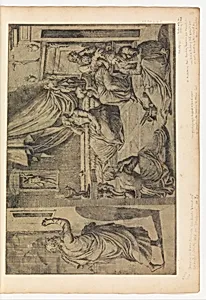
Medium
Engraving
Classification
Prints
Department
Drawings and Prints
Museum
Metropolitan Museum of Art, New York, NY
Credit
Harris Brisbane Dick Fund, 1927
Accession Number
27.78.2(61)
Rights
Public Domain
Tags
About this artwork
This Engraving by Master with the Name of Jesus from 16th century exemplifies historical artistic production through its materials, techniques, and aesthetic approach. Created within specific cultural and historical contexts, works like this reflect both individual artistic vision and broader patterns of workshop practice, patron expectations, and prevailing aesthetic theories. The medium of Engraving required specialized knowledge developed through years of training, involving mastery of materi...
Art Historical Context
In the 16th century, the enigmatic *St. Nicholas of Bari* created by the Master with the of Jesus, an Italianaver identified by his distinctive monogram featuring the sacred letters IHS. This print, housed in the Metropolitan Museum of's Drawings and Prints department captures the revered saint—patron of children, sailors, and Bari—amidst figures of men and women, embodying the era's deep Catholic devotion. Produced during the Renaissance's waning years and the dawn of the Counter-Reformation, such engravings bridged sacred iconography with emerging print culture, making holy images accessible beyond elite patrons. Engraving demanded years of apprenticeship to master burin techniques on copper plates, incising fine lines that, when inked and pressed, yielded intricate details and tonal depth. This medium's reproducibility allowed widespread dissemination for personal altars, prayer books, or scholarly collections, reflecting workshop traditions, patron tastes, and Italy's rich visual language of saints and narratives. Today, this surviving work offers a window into 16th-century values—faith, technical prowess, and aesthetic refinement—preserved through the Harris Brisbane Dick Fund. It invites us to decode its iconographic cues, connecting modern viewers to the spiritual and cultural currents that shaped Renaissance art.