
Statuette
Unknown Artist
17th century
Medium
Mud
Dimensions
H. 11 5/8 in. (29.5 cm)
Classification
Sculpture
Culture & Period
China · late Ming (1368–1644) or early Qing (1644–1911) dynasty
Department
Asian Art
Museum
Metropolitan Museum of Art, New York, NY
Credit
Rogers Fund, 1930
Accession Number
30.76.100
Rights
Public Domain
Tags
Art Historical Context
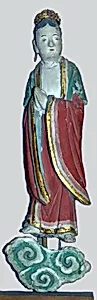
This exquisite statuette, crafted in the 17th century during the transitional late Ming (1368–1644) or early Qing (164–1911) dynasty stands as a poignant artifact from China's rich sculptural tradition. Measuring just 11⅝ inches (29.5 cm) high, the unknown artist's work depicts a male figure—likely a representation of a scholar, deity, or everyday man—modeled in mud, a humble yet versatile medium often associated with folk and devotional art. Acquired through the Rogers Fund in 193, it now graces the Asian Art department at the Metropolitan Museum of Art. The use of mud, probably low-fired earthenware or terracotta, highlights the accessibility of materials in Chinese vernacular sculpture, contrasting with imperial porcelains or jades. During this era of dynastic upheaval—the Ming's collapse amid peasant rebellions and the Qing's Manchu conquest—such modest figures served practical roles in homes, temples, or ancestral shrines, embodying cultural reverence for harmony, filial piety, and the human form. Its survival speaks to the enduring appeal of these intimate works, offering visitors a window into everyday Chinese spirituality and artistry. Though details of its exact subject remain elusive, the statuette's simple power invites reflection on a time when art bridged elite courts and common lives.