
Stucco Fragment
Unknown Artist
probably 8th–12th century
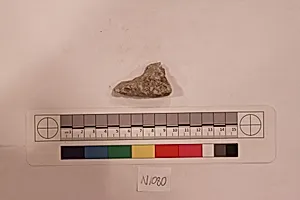
Medium
Stucco; carved
Dimensions
H. 1 15/16 in. (5 cm) W. 1 3/16 in. (3 cm) D. 13/16 in. (2 cm)
Classification
Stucco
Department
Islamic Art
Museum
Metropolitan Museum of Art, New York, NY
Credit
Rogers Fund, 1948
Accession Number
48.101.1382
Rights
Public Domain
Art Historical Context
This delicate stucco fragment, likely carved between the 8th and 12th centuries, offers a glimpse into the refined artistry of early Islamic architecture. Measuring just under 2 inches tall, wide, and deep, it as a testament to the intricate plasterwork that adorned mosques, palaces, andrasas across the Islamic world during the Abbasid and subsequent eras. Acquired through the Rogers Fund in 8, it now resides in the Metropolitan Museum of Art's Department of Islamic Art, where fragments evoke the grandeur of lost monumental structures. Carved stucco was a favored medium in this period for its versatility—artists molded wet plaster over cores or directly carved it once set, creating elaborate motifs like geometrics, florals, or calligraphy that complied with aniconic traditions. Though the precise design of this piece remains understated in its fragmentary state, it exemplifies the technical precision and aesthetic harmony central to Islamic decorative arts, bridging sculpture and architecture. For museum visitors, this tiny relic underscores how everyday materials transformed into symbols of spiritual and cultural splendor, inviting us to ponder the skilled hands behind centuries-old splendor.