
Stucco Fragment
Unknown Artist
probably 8th–12th century
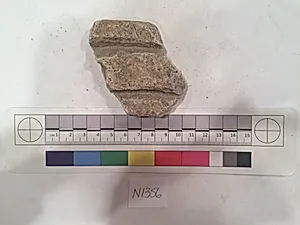
Medium
Stucco (mortar); carved, painted
Dimensions
L 7x W 6.5x H 2
Classification
Stucco
Department
Islamic Art
Museum
Metropolitan Museum of Art, New York, NY
Credit
Rogers Fund, 1948
Accession Number
48.101.1658
Rights
Public Domain
Art Historical Context
This delicate stucco fragment, likely from the 8th–12th century, offers a glimpse into the refined artistry of early Islamic architecture. Crafted from mortar-based stucco—a versatile, affordable medium that mimicked costly stone or wood—its small size (7 x 6.5 x 2 inches) suggests it was part of a larger decorative panel adorning mosques, palaces, or madrasas across the Islamic world, from the Abbasid era to the Seljuk period. Stucco flourished in this time as architects and artisans developed intricate carving techniques to create raised reliefs of geometric patterns, arabesques, and floral motifs, hallmarks of Islamic design that emphasized harmony and infinity without human figures. The addition of paint heightened its vibrancy, transforming plain surfaces into shimmering displays of color and texture, accessible even to modest patrons. Today, housed in the Metropolitan Museum of Art's Islamic Art department (acquired via the Rogers Fund in 1948), this fragment embodies the cultural ingenuity of medieval Muslim artisans, who turned everyday materials into enduring symbols of spiritual beauty and technical mastery. A testament to a golden age of innovation!