
Stucco Fragment
Unknown Artist
probably 8th–12th century
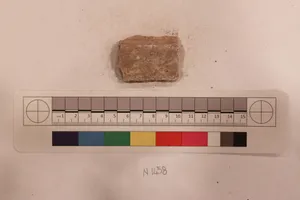
Medium
Stucco; carved, painted
Dimensions
L 4.5x W3 x H 1.5
Classification
Stucco
Department
Islamic Art
Museum
Metropolitan Museum of Art, New York, NY
Credit
Rogers Fund, 1948
Accession Number
48.101.1760
Rights
Public Domain
Art Historical Context
This delicate stucco fragment, dating to the 8th–12th century, offers a glimpse into the refined artistry of the Islamic world during its early medieval flourishing. Likely originating from a mosque, palace, or structure in regions like Iraq, Iran, or North Africa, such fragments were integral to architectural embellishment under dynasties like the Abbasids or Fatimids. Acquired through the Rogers Fund in 8, it now resides in the Metropolitan Museum of Art's Islamic Art department, preserving a piece of history too small to stand alone yet rich in cultural resonance. Crafted from stucco—a molded plaster of Paris-like material— this fragment measures just 4.5 x 3 x 1.5 inches and bears evidence of skilled carving and painting. Artisans carved intricate motifs, often geometric patterns, arabesques, or floral designs symbolizing paradise, then applied vibrant pigments for added depth and color. This technique allowed for lightweight, affordable decoration on walls and arches, democratizing opulence in Islamic architecture where figurative art was often avoided. Though its exact design eludes us in this modest survival, the fragment embodies the era's mastery of abstraction and rhythm, inviting visitors to imagine the grand niches it once adorned. A testament to enduring craftsmanship, it highlights how everyday materials became vehicles for spiritual and aesthetic beauty.