
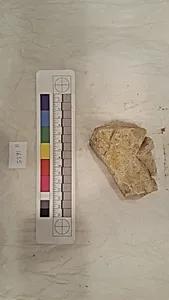
Stucco Fragment
Unknown Artist
probably 8th–12th century
Medium
Stucco; carved, painted
Dimensions
L 9 x W 8 x H 3
Classification
Stucco
Department
Islamic Art
Museum
Metropolitan Museum of Art, New York, NY
Credit
Rogers Fund, 1948
Accession Number
48.101.1957
Rights
Public Domain
Art Historical Context
This delicate stucco fragment, likely crafted between the 8th and 12th centuries, offers a glimpse into the refined architectural artistry of the early Islamic world. Acquired through the Rogers Fund in 1948 and housed in the Metropolitan Museum of's Islamic Art department, measures a modest 9 x 8 x 3 inches, suggesting it once adorned a larger structure such as a mosque, palace, or mausoleum in regions like Iran or Iraq during the Abbasid or Seljuk eras. Stucco, a versatile plaster-like material made from gypsum or lime, was a favored medium in Islamic architecture for its moldability and ability to mimic more precious stone carvings. Here, the surface has been intricately carved—possibly with geometric patterns, floral motifs, or arabesques typical of the period—and vividly painted, highlighting the artisans' mastery of low-relief techniques. These decorations served both aesthetic and spiritual purposes, enhancing sacred spaces with luminous color and rhythm. Though the artist remains unknown, this fragment embodies the cultural flourishing of Islamic art, where decoration emphasized harmony and infinity without figurative representation. Visitors can appreciate how such modest survivals preserve the opulence of medieval Islamic design, inviting us to imagine the grand halls they once animated.