
Sugar Bowl
Unknown Artist
1780–1820
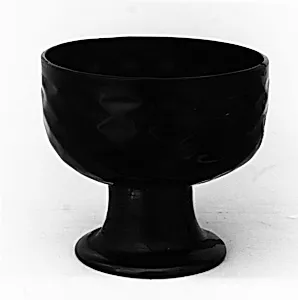
Medium
Blown pattern-molded lead glass
Dimensions
H. 3 1/4 in. (8.3 cm); Diam. 4 in. (10.2 cm)
Classification
Sugar bowl
Culture
American
Department
The American Wing
Museum
Metropolitan Museum of Art, New York, NY
Credit
Gift of Frederick W. Hunter, 1913
Accession Number
13.120.14
Rights
Public Domain
Art Historical Context
Nestled in the American Wing of the Metropolitan Museum Art, this elegant sugar exemplifies early American craftsmanship from the late 18th to early 19th century (1780–1820). Standing just 3¼ inches tall with a 4-inch diameter, it served as a charming table accessory in households embracing the rituals of tea and coffee drinking—a social custom popularized after the American Revolution. Donated in 1913 by Frederick. Hunter, it reflects the growing prosperity and refined tastes of the young republic's middle class. Crafted from blown pattern-molded lead glass, the bowl showcases a sophisticated technique where molten glass was blown into a mold to create textured patterns, then expanded for clarity and form. The addition of lead oxide produced a brilliant, refractive quality akin to European crystal, making it both functional and decorative. This method, honed in emerging American glasshouses like those in New England and the Mid-Atlantic, highlighted local ingenuity as the nation sought independence from imported luxuries. Culturally, such sugar bowls symbolized hospitality and status, holding refined white sugar—a luxury commodity tied to global trade. Its survival offers a tangible glimpse into everyday elegance, bridging domestic life with the artistry of a burgeoning American identity.