
Teabowl
Medium
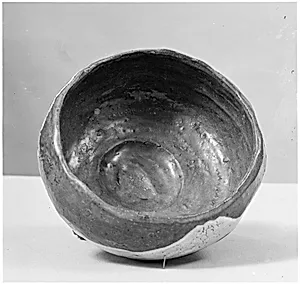
Clay painted with design in white slip and black under a transparent glaze (red Raku ware)
Dimensions
H. 2 3/4 in. (7 cm); Diam. 5 in. (12.7 cm)
Classification
Ceramics
Culture & Period
Japan · Meiji period (1868–1912)
Department
Asian Art
Museum
Metropolitan Museum of Art, New York, NY
Credit
Rogers Fund, 1907
Accession Number
07.8
Rights
Public Domain
Art Historical Context
This exquisite teabowl, crafted by Hogen Doshun during Japan's Meiji period (186–1912), exemplifies the enduring tradition of Raku ware ceramics. Standing just 2¾ inches high and 5 inches in diameter its compact form invites intimate handling, perfect for the Japanese tea ceremony (chanoyu). Acquired through the Rogers Fund in 7, it now graces the Metropolitan Museum of Art Asian Art collection. Red Raku ware, known for its vibrant earthy tones and low-fired clay, features a distinctive technique here: designs painted in white slip and black pigments beneath a transparent glaze. This method creates subtle contrasts and a tactile surface, emphasizing imperfection and wabi-sabi aesthetics—valuing rustic simplicity and transience. Hogen Doshun's work bridges Edo-period traditions with Meiji innovation, as Japan navigated rapid modernization while preserving tea culture's meditative rituals. In the tea ceremony, such bowls hold matcha, their warmth enhancing sensory experience. This piece reflects Meiji artisans' skill in adapting ancient methods amid Western influences, offering visitors a tangible link to Japan's philosophical harmony with nature.