
Teabowl
18th century
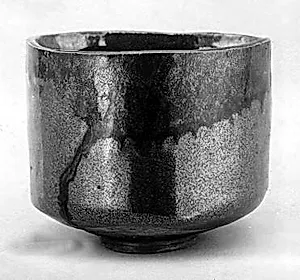
Medium
Clay covered with glaze and overglaze (Kiyomizu ware, Awata type)
Dimensions
H. 3 5/8 in. (9.2 cm)
Classification
Ceramics
Culture & Period
Japan · Edo period (1615–1868)
Department
Asian Art
Museum
Metropolitan Museum of Art, New York, NY
Credit
Gift of Mr. and Mrs. Samuel Colman, 1893
Accession Number
93.1.115
Rights
Public Domain
Art Historical Context
This exquisite teabowl, crafted by Kiyomizu Rokubei I in the 18th century during Japan's Edo period (1615–1868), exemplifies the refined artistry of Kiyomizu ware from Kyoto's Awata district. Rokubei I, a pioneering potter who established a renowned family lineage, specialized in ceramics that blended functionality with aesthetic elegance. Measuring just 3 5/8 inches (9.2 cm) in height, this compact vessel was designed for the intimate Japanese tea ceremony, or *chanoyu*, where simplicity and imperfection—embodied in concepts like *wabi-sabi*—elevate everyday objects to philosophical treasures. Made from clay coated with glaze and overglaze, the teabowl showcases Kiyomizu ware's innovative techniques, particularly its vibrant overglaze enamels that allowed for colorful, durable decorations fired at lower temperatures. Awata-type pieces, like this one, were prized for their subtle forms and glossy finishes, reflecting the Edo era's flourishing urban culture and patronage of the tea arts among samurai and merchants. Donated to the Metropolitan Museum of Art in 1893 by Mr. and Mrs. Samuel Colman, it stands as a testament to early Western appreciation for Japanese craftsmanship. In the tea ceremony, such bowls weren't mere utensils but vessels for mindfulness, warming the hands before sipping matcha. This work invites visitors to ponder the harmony of form, material, and ritual in Edo Japan.