
Teabowl
ca. 1860
Medium
Clay with thin glaze (Echizen ware)
Dimensions
H. 2 1/8 in. (5.4 cm); W. sq. 4 1/2 in. (11.4 cm)
Classification
Ceramics
Culture & Period
Japan · Edo period (1615–1868)
Department
Asian Art
Museum
Metropolitan Museum of Art, New York, NY
Credit
The Howard Mansfield Collection, Gift of Howard Mansfield, 1936
Accession Number
36.120.493
Rights
Public Domain
Art Historical Context
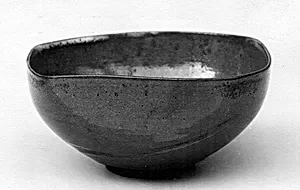
This delicate teabowl, crafted by the potter Setosuke around1860, exemplifies the ceramics of Japan's late Edo period (1615–1868). Made from clay with a thin glaze characteristic of Echizen ware—a tradition from Fukui Prefecture known for its earthy, functional pottery—this piece measures just 2⅛ inches high with a 4½-inch square profile, perfect for the intimate ritual of chanoyu, the Japanese tea ceremony. chizen ware, one of Japan's ancient kilns during the Edo era, favored robust forms and natural glazes fired in wood-burning anagama kilns, where ash would melt into subtle, iridescent surfaces. Setosuke's thin glaze highlights the clay's texture, embodying wabi-sabi aesthetics—prizing imperfection and transience. Teabowls like this were essential to tea masters, who prized their tactile warmth and subtle variations, fostering mindfulness amid everyday clay. A gift from the Howard Mansfield Collection to the Metropolitan Museum of Art in 1936, this teabowl captures the Edo period's blend of utility and philosophy, inviting visitors to appreciate how a simple vessel could elevate a humble sip of matcha into profound cultural meditation.