
Teabowl
ca. 1790
Medium
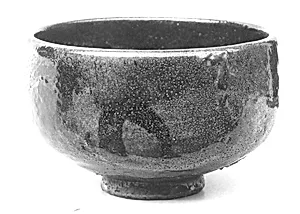
Rounded body, well defined foot; brown clay, yellow underglaze, black, red and green overglaze (Raku ware)
Dimensions
H. 2 3/4 in. (7 cm); Diam. 4 1/2 in. (11.4 cm)
Classification
Ceramics
Culture & Period
Japan · Edo period (1615–1868)
Department
Asian Art
Museum
Metropolitan Museum of Art, New York, NY
Credit
The Howard Mansfield Collection, Gift of Howard Mansfield, 1936
Accession Number
36.120.545
Rights
Public Domain
Art Historical Context
This elegant teabowl, created around 1790 by the Japanese potter Ryōnyu during the Edo period, exemplifies the refined simplicity of Raku ware. Measuring just under three inches in height, the vessel features a rounded body and well-defined foot formed from brown clay. Its surface is enriched with a yellow underglaze beneath layers of black, red, and green overglaze, creating a subtle yet vibrant interplay of colors suited to the intimate ritual of the Japanese tea ceremony. Raku ware holds deep cultural significance in Japan, having been developed in the late sixteenth century and closely associated with the aesthetics of wabi-sabi—embracing imperfection, natural textures, and understated beauty. Ryōnyu’s work reflects the continued evolution of this tradition within the Edo period’s flourishing ceramic arts, where potters balanced technical mastery with spontaneous, hand-built forms. Low-fired and often removed from the kiln while still glowing, Raku pieces invite tactile appreciation and quiet contemplation during chanoyu gatherings. Acquired by the Metropolitan Museum of Art through the Howard Mansfield Collection in 1936, this teabowl offers visitors a tangible connection to centuries of Japanese ceramic heritage. Its modest scale and harmonious glazes highlight how everyday objects were elevated to convey profound spiritual and aesthetic values.