
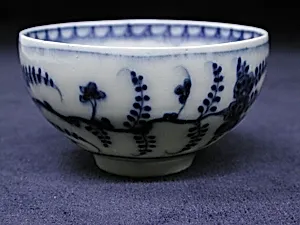
Teabowl and saucer (assembled)
Medium
Hard-paste porcelain
Dimensions
Height (Teabowl): 1 3/4 in. (4.4 cm); Diameter (Saucer): 4 15/16 in. (12.5 cm)
Classification
Ceramics-Porcelain
Culture
Swiss, Zurich
Department
European Sculpture and Decorative Arts
Museum
Metropolitan Museum of Art, New York, NY
Credit
The Hans Syz Collection, Gift of Stephan B. Syz and John D. Syz, 1995
Accession Number
1995.268.241, .242
Rights
Public Domain
Tags
Art Historical Context
This elegant teabowl and saucer, produced around 1770 by the Zurich Pottery and Porcelain Factory, exemplifies the refined Swiss contribution to European porcelain-making. Crafted from hard-paste—a durable material first successfully replicated in Europe earlier in the century—the set reflects the period’s growing fascination with tea drinking as a social ritual among the upper classes. Its modest scale, with the bowl standing just 1¾ inches tall and the saucer measuring nearly 5 inches across, suits the intimate nature of 18th-century tea service. The factory, active in Zurich during a time of expanding ceramic production across Switzerland, often drew inspiration from nature. Here, delicate bird motifs adorn the surface, a popular decorative choice that added lightness and charm to tableware. These painted details highlight the skilled handwork of Zurich artisans, who balanced functionality with artistic expression in small, everyday objects. Acquired by the Metropolitan Museum of Art through the generous Hans Syz Collection in 1995, this assembled pair offers visitors a glimpse into Swiss decorative arts of the Enlightenment era. It reminds us how porcelain once symbolized both technological achievement and refined taste.