
Teapot with Cover
Unknown Artist
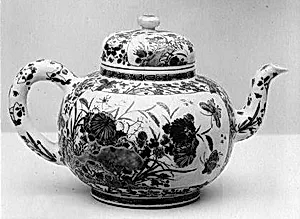
Medium
Porcelain
Dimensions
H. 6 1/2 in. (16.5 cm)
Classification
Ceramics
Culture & Period
China · Qing dynasty (1644–1911), Kangxi period (1662–1722)
Department
Asian Art
Museum
Metropolitan Museum of Art, New York, NY
Credit
Bequest of Mary Clark Thompson, 1923
Accession Number
24.80.212a, b
Rights
Public Domain
Tags
Art Historical Context
This elegant **Teapot with Cover**, in porcelain during China's Qing dynasty Kangxi period (16621722), stands at a dainty 6½ inches (16.5 cm) high. Housed in the Metropolitan Museum of Art's Asian Department as part of the ceramics collection, it entered the museum through the 1923 bequest of Clark Thompson. The Kangxi era marked a pinnacle of Chinese porcelain production at Jingdezhen kilns, where imperial workshops achieved unprecedented refinement in form, glaze, and decoration. Adorned with motifs of butterflies and flowers—enduring symbols of joy, transformation, and natural beauty—this teapot exemplifies the period's mastery of overglaze enamels or underglaze techniques. Such vibrant designs were not only aesthetic but carried auspicious meanings, evoking prosperity and harmony in daily life. Porcelain's translucency and durability made it ideal for teaware, reflecting China's sophisticated tea culture that spread globally via maritime trade. As a functional yet artistic object, it highlights the Kangxi court's patronage of ceramics, blending utility with imperial elegance. Visitors can appreciate how these vessels embodied Confucian ideals of refinement, bridging palace luxury and scholarly homes.