
Textile
Unknown Artist
1700–1899
Medium
Linen
Dimensions
18 x 10 in. (45.7 x 25.4 cm)
Classification
Textiles
Culture
Russian
Department
European Sculpture and Decorative Arts
Museum
Metropolitan Museum of Art, New York, NY
Credit
Brooklyn Museum Costume Collection at The Metropolitan Museum of Art, Gift of the Brooklyn Museum, 2009; Gift of Mrs. Edward S. Harkness in memory of her mother, Elizabeth Greenman Stillman, 1931
Accession Number
2009.300.6385
Rights
Public Domain
Tags
Art Historical Context
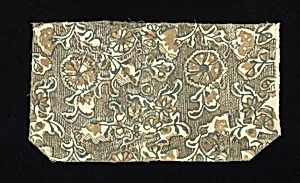
This delicate linen textile, created by an unknown Russian artist between1700 and 1899, exemplifies the refined craftsmanship of Russian decorative arts during the 18th and 19th centuries. Measuring a modest 18 x 10 inches, it likely served as a fragment from a garment or household item within the Brooklyn Museum Costume Collection, now housed at The Metropolitan Museum of Art. Linen, a durable and breathable natural fiber prized in Eastern European traditions, was a staple for everyday and ceremonial wear, often adorned with intricate patterns that reflected the region's rich folk heritage. The textile's floral motifs—evident from its tagging—highlight a longstanding Russian cultural motif, where flowers symbolized beauty, fertility, and seasonal renewal in embroidery and weaving. During this expansive timeframe, spanning the late Tsarist era, such pieces bridged peasant artistry and noble patronage, showcasing techniques like fine weaving or appliqué that preserved cultural identity amid imperial influences. Though the exact technique remains unspecified, its survival speaks to the enduring appeal of these motifs in domestic life. Today, this artifact offers a tactile glimpse into Russian material culture, generously gifted through the Harkness family in 1931 and transferred in 2009. In the Met's European Sculpture and Decorative Arts department, it invites visitors to appreciate the subtle artistry of the everyday, connecting us to the hands that wove history's threads.