
Textile
Unknown Artist
15th century
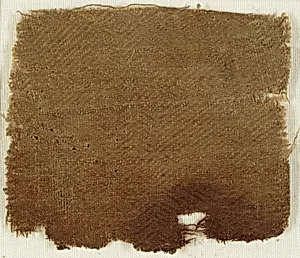
Medium
Linen
Dimensions
Overall: 2 3/16 × 2 9/16 in. (5.5 × 6.5 cm) Storage (Mat): 5 1/2 × 8 1/2 in. (14 × 21.6 cm)
Classification
Textiles-Woven
Culture
German
Department
Medieval Art
Museum
Metropolitan Museum of Art, New York, NY
Credit
Rogers Fund, 1909
Accession Number
09.50.1273
Rights
Public Domain
Art Historical Context
This exquisite 15th-century linen textile, a small woven fragment measuring just 2 3/16 × 2 9/16 inches, offers a rare glimpse into the craftsmanship of late medieval Germany. Housed in the Metropolitan Museum of Art Medieval Art Department and acquired through the Rogers Fund in 9, it exemplifies the delicate woven textiles produced during a time when linen was prized for its durability and fine texture. German weavers of this era mastered plain weaves and twills on narrow looms, creating fabrics for everyday garments, ecclesiastical vestments, or household linens that blended functionality with subtle artistry. In the context of 15th-century Europe, such textiles held profound cultural significance. Linen, derived from flax grown across the region, symbolized purity and was essential in both secular and religious life—think altar cloths, bandages, or undergarments for the elite. This piece reflects the anonymous skill of medieval artisans, whose work often went uncredited yet preserved communal traditions amid the transition from the Middle Ages to the Renaissance. Though modest in scale, its survival highlights the fragility of organic materials and the museum's role in safeguarding these tactile treasures. Visitors, imagine the hands that wove these threads centuries ago—each stitch a testament to enduring human ingenuity.