
Textile
Unknown Artist
15th century
Medium
Silk, linen and metal thread
Dimensions
Overall: 4 1/8 × 4 1/16 in. (10.5 × 10.3 cm) Storage (Mat): 8 1/2 × 13 in. (21.6 × 33 cm)
Classification
Textiles-Woven
Culture
German
Department
Medieval Art
Museum
Metropolitan Museum of Art, New York, NY
Credit
Rogers Fund, 1909
Accession Number
09.50.977
Rights
Public Domain
Art Historical Context
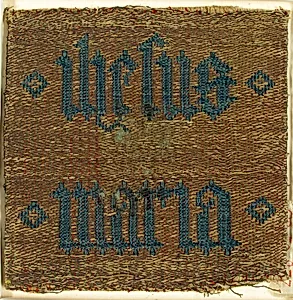
This exquisite 15th-century German fragment, woven from silk, linen, and shimmering metal threads, offers a glimpse into the opulent craftsmanship of late medieval Europe. Measuring just over 4 inches, its diminutive size suggests it may have been part of a larger ecclesiastical vestment, altar hanging, or luxurious garment—items reserved for the elite clergy or nobility. The use of costly silk for vibrant color and sheen, combined with durable linen and metallic threads (likely gilt or silver-wrapped), created a luxurious, reflective surface that caught the light in sacred spaces. In the Medieval Art collection of The Metropolitan Museum of Art, acquired through the Rogers Fund in 1909, this woven textile exemplifies the technical virtuosity of German workshops during the Gothic period. Weavers employed complex looms to interlace these fine materials, achieving intricate patterns that symbolized divine splendor and earthly wealth. Metal threads, a hallmark of high-status textiles, not only enhanced visual drama but also signified spiritual radiance, much like contemporary gold-ground paintings. Though the artist remains unknown, this fragment preserves the anonymous skill of medieval artisans, reminding us how textiles were vital storytelling mediums in a pre-printing era. A true treasure, it invites visitors to appreciate the tactile artistry that once adorned Europe's grand cathedrals.